
Takes 30 seconds. We call you back to set a time.
Every photo here is from our own work, with our logo on it.
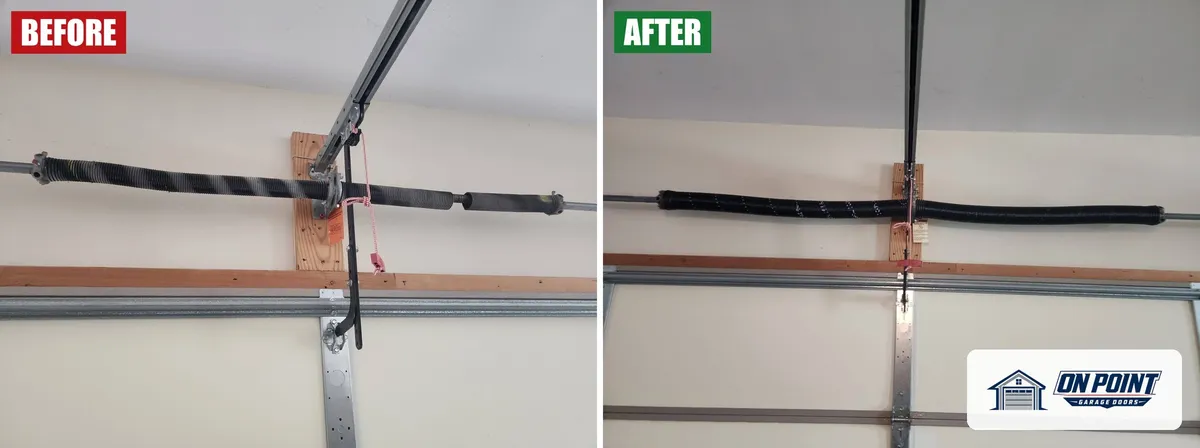
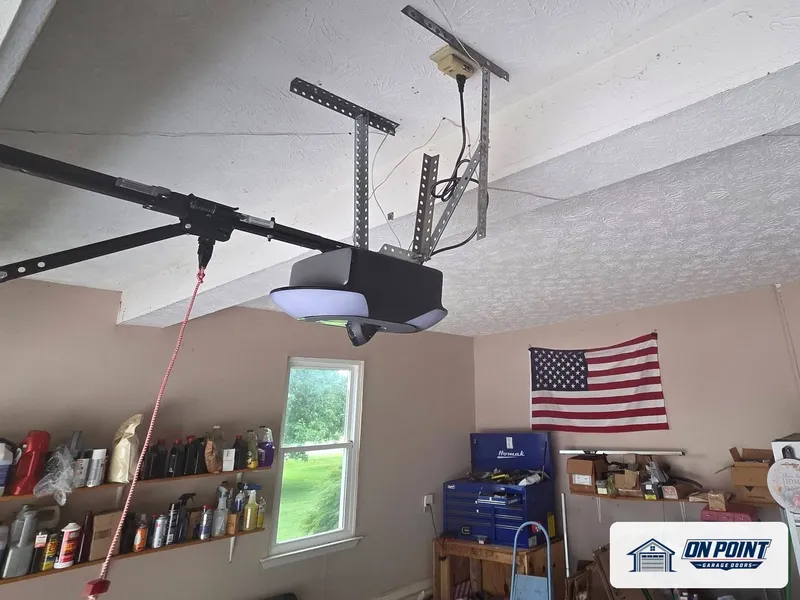
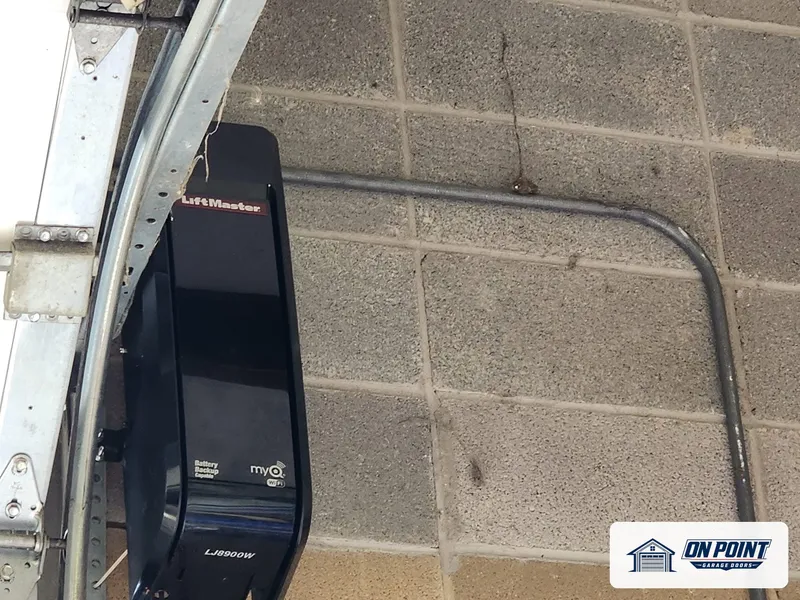
When the gate hums without moving, dies after a storm, quits by evening or ignores the remote, the fault is usually inside the operator. We repair hardwired, battery and solar units on swing and slide gates, most in one visit. Estimates are free.
The gate is the easy part. The operator is where the complexity lives: a motor and gearbox, a circuit board, a power supply, and the safety devices and controls wired into it, all spending every day outdoors in Georgia heat, humidity and lightning season. Most of the failures we see are one part, not the whole machine.
We repair swing operators on linear or articulated arms, slide operators on chain or rack, underground swing units, and hardwired, battery-backed and solar setups, and most jobs finish in one visit.
After a big summer storm, the calls tend to sound alike: the gate went silent when the lightning hit, and behind it sits a damaged board, a dead power supply or a receiver fried by the surge.
Some of the gates we service guard shared drives for two or three homes, and those operators cycle far more often than a single-family gate, which moves battery and gearbox wear forward.
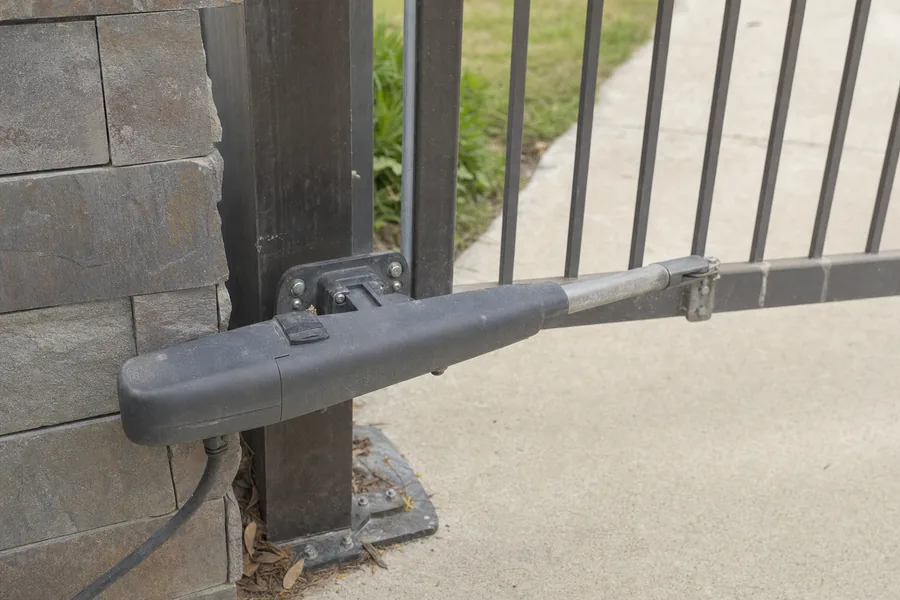
Six faults cover nearly every operator call we take. Roughly in order:
A hardwired operator runs on house current through a transformer and acts much like a garage door opener. Battery-backed units use house current to keep a battery topped up, so they ride through outages. Solar units depend entirely on the panel and the battery. Battery-backed units are worth the upgrade in storm country.
Most no-power calls turn out simple: a tripped breaker, a failed transformer, a blown fuse or a worn-out battery. A meter at the supply settles it before any part is swapped.
Under the tree canopy in older neighborhoods, a solar panel that sat in full sun when installed can end up shaded a few years later, and the gate starts dying through cloudy weeks.
An operator installed to the current standard carries monitored entrapment protection: photo eyes, contact edges or both. If one fails or gets disconnected, the operator won't run normally.
That's intentional. A gate closing without working safety devices can pin a car or a person, so we repair the devices rather than defeat them.
Where the gate crosses a sidewalk or sits near a play area, the technician checks that every pinch point is covered, not just the center of the opening.
Linear-arm swing units, the ram-style operators on most residential double gates; articulated arms for gates hung inside their pillars; chain and rack sliders; underground swing units; and heavier commercial operators on large gates.
The hardware varies, the method doesn't: power, board, limits, safety devices, motor and drive, then the controls.
Older installs sometimes combine brands: one maker's operator, another's receiver, a third's keypad. That's fine, and the technician traces each connection rather than assuming.
Once the gate moves, the controls are the next complaint. Receivers lose range, keypads stop reading codes, intercoms stop ringing the house and phone-entry units lose their connection.
Phone-entry units built for an older cellular network can go silent when the carrier retires it, and the fix is a newer module rather than a new operator.
A new receiver with its antenna mounted high and clear often cures a short-range complaint outright, and every handheld in the household gets reprogrammed at the same time.
Shared gates with dozens of codes get the code list cleaned up while the technician is there, so former residents and old contractors no longer have access.
One call sets up an arrival window already padded for traffic, and the technician shows up with the parts the symptoms point to.
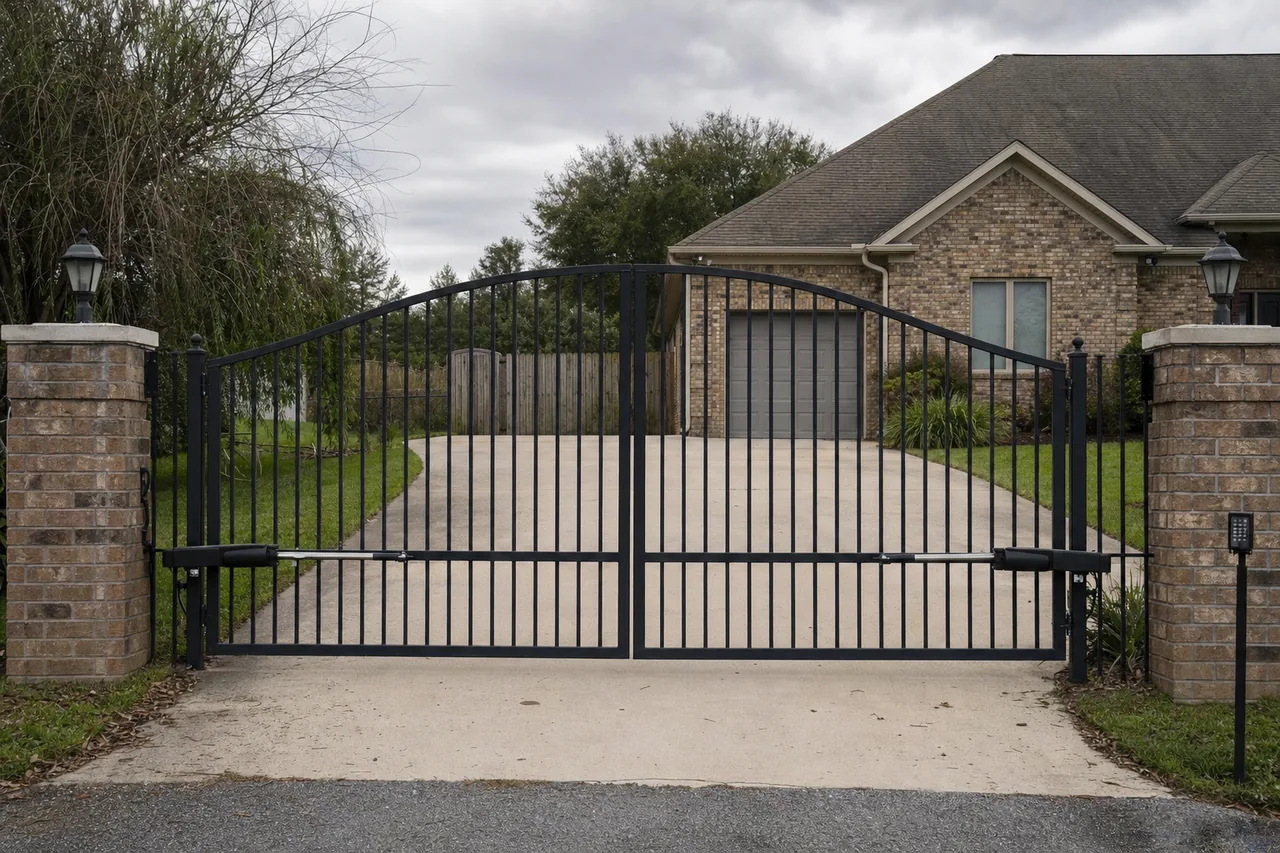
A board, a battery, a capacitor, a photo eye or a receiver counts as a repair, and it's usually finished the same day.
Keypads and intercoms at the curb take the most weather, and replacing them is routine.
A new operator bolted to a gate that drags lasts about a season. If the gate caused the old operator to fail, the gate is fixed first.
When replacement does make sense, the new unit is sized to the gate's weight and daily traffic, not to whatever happens to be in stock, and it goes up only after the gate swings or slides freely by hand.
LiftMaster and Chamberlain gate operators, Mighty Mule, Ghost Controls, Eagle, Elite, FAAC, DoorKing, Viking, US Automatic, Nice and Apollo, among others. Older and less common operators can usually be sourced; a photo of the label helps.
Humidity corrodes terminals and circuit boards, heat shortens battery and capacitor life, and summer storms bring surges and falling limbs. Fire ants move into warm operator housings, and a colony packed across a board can short it out.
Pollen and leaf litter play a smaller part, clogging slide tracks and dimming photo eye lenses until the gate starts refusing to close.
The calendar is predictable: batteries and capacitors in the heat, surge damage through storm season, eyes and tracks after pollen and storms, and now and then a frozen arm when an ice storm shuts the metro down.
Keeping the truck stocked to that calendar is why most operator calls finish the same day.
Whether any light shows on the operator, whether a breaker tripped, whether it's solar and the panel is now shaded, and whether a storm came through just before it quit. That shapes what we bring.
If the gate serves a shared drive with several operators, say which one; photos help.
And please avoid three things: bypassing a safety device, running the motor over and over against a stuck gate, and opening a housing that still has power to it.
If the gate has trapped a car, tell us that first so the visit moves up.
Both. Operator repairs are most of the work, and the gate itself is handled on the same visit whenever it's part of the problem. Hinges, rollers and posts get checked every time, because they're so often behind operator failures.
On an AC operator it's usually the start capacitor, a small part we carry. On a DC unit it's usually a low battery or a gate that's become too stiff to push. Both are on the truck.
Usually not. It's typically a photo eye or safety edge reacting to something, and each device gets tested in turn.
Yes: battery, charge controller, panel connections and the operator. Most solar calls turn out to be a battery past its life or a panel that's lost its sun, and panels get cleaned and their position checked against the tree line.
The common makes and most of the uncommon ones. Boards, safety devices and controls follow the same principles across brands, and if a part is hard to find, you hear that before anything is ordered.
No. A safety device holding the gate open is doing its job, and the repair is to fix it, which is usually quicker than the argument anyway.
Most days. A gate stuck open is a security problem, and the schedule keeps room for it. If the gate is standing open overnight, say so when you call.
One call sets up an arrival window padded for traffic, and the technician phones on the way. We don't buy leads, and nobody diagnoses a gate by phone.
Estimates are free across the metro.
Tell us what the operator is doing and we'll say straight out whether it needs a visit today. Estimates are free anywhere in the metro.
Rather say it out loud? Call (770) 629-9647.
Hum, click or silence, and what powers it. We don't bill for estimates.