
Cables in pairs, drums matched, plastic rollers swapped for sealed nylon. Quieter, and several times the life.
Tell us what the door is doing. The estimate is free and it comes first; nothing starts until you've seen it.
A snapped cable or seized roller is the fault we're called out for most often in Atlanta, and it is the one homeowners least expect. It gives no warning: no wear you can see, no noise you can hear, then a morning when the door won't lift and the car is trapped. Around Sandy Springs and Marietta we see it concentrated in 1990s two-story brick-front homes with attached two-car garages in the subdivisions, older ranches with carports converted to garages, where humidity rusts cables and bottom brackets, and summer storms drop limbs and debris into tracks.
From each bottom bracket a cable runs up the side and winds onto a drum at the end of the torsion shaft. The cables are the link that carries the door's weight to the spring. If one goes, that side of the door drops, jams in the track and leaves the rails. It's the reason cable and off-track problems come together.
We cover Atlanta and the towns around it - Dunwoody, Sandy Springs, Marietta, Kennesaw, Johns Creek, Douglasville. No work starts without your go-ahead, and the estimate asks nothing of you whichever way you decide.
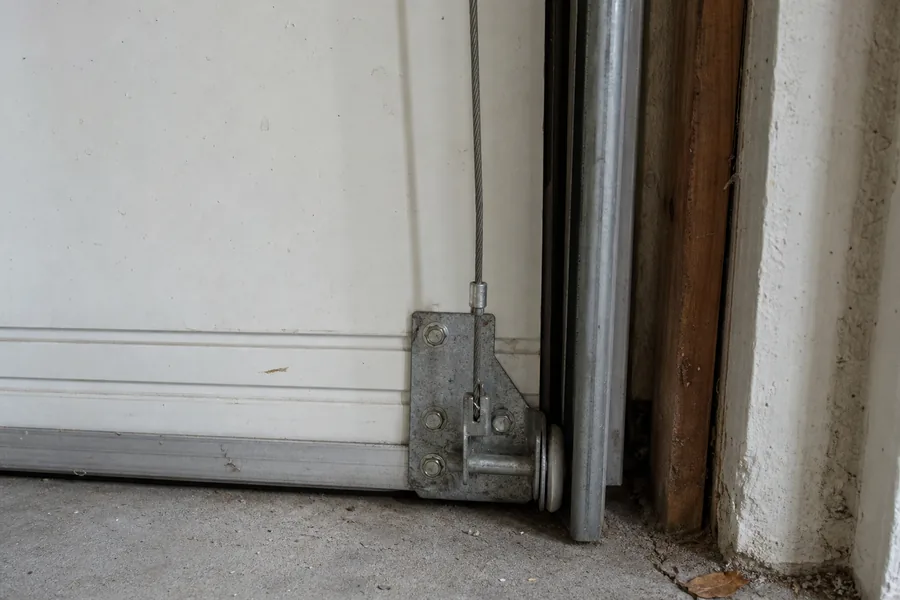
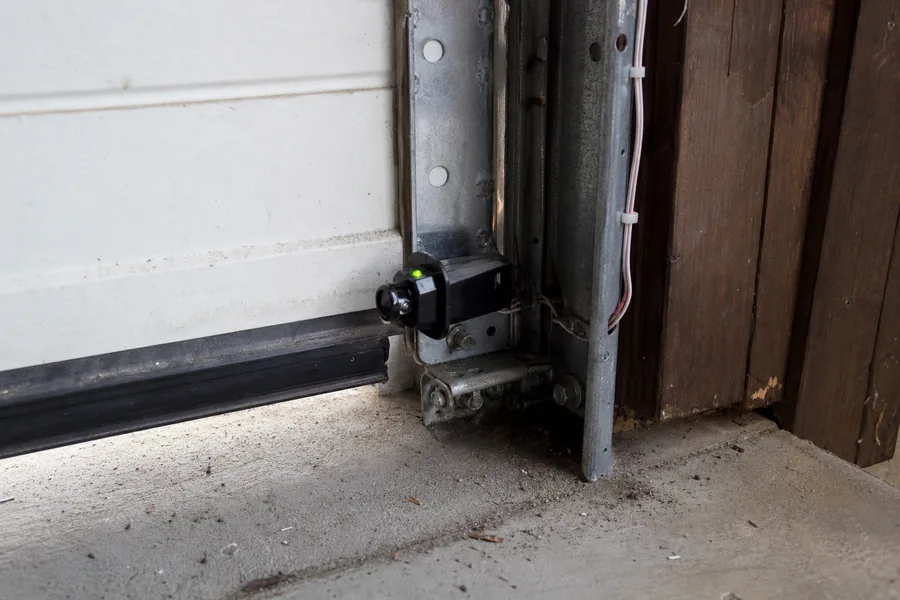
A cable warns you before it goes. Sight along the cable. Whisker-like strands sticking out, usually low down, are the sign. Compare the two sides. One cable slack while the other is tight means a cable has already slipped its drum. A door closing crooked is beyond a warning.
Recognize one of those? Once there, the technician usually has it pinned down in ten minutes. Rather than speculate, we come to the door, and that's free.
The cables are zinc-coated steel, and they're fine until the coating fails. Around Norcross and Grayson, cables rust and fray at the bottom bracket first, because that end lives nearest a damp floor. Rollers don't take long to explain. Builder-grade plastic, no bearings, finished by year seven.
We replace cables in pairs. They've aged together, and the drums need equal setting for a level door. Nylon rollers with sealed ball bearings are the upgrade worth having. Quiet, and good for several times the life of plastic.
Once a roller seizes, it stops being just a roller problem. The roller drags on the track. Leave it and a small part becomes a section of track and a realignment. Rollers on the same visit as a cable are parts only, in effect.
A job people hold off on, with an ending that never surprises anyone in the trade. None of the following is unusual. That's the usual order of events; we see it most weeks.
The estimate is free, which means learning where you stand asks nothing of you. It is the whole case for calling early.
The bottom bracket is the one installing that carries the whole spring load, and most doors have a warning label on it saying exactly that. Undo that bolt with the counterbalance still wound and the whole system lets go at once, through whatever is in front of it. No amount of caution makes this a homeowner job.
Don't touch it. Unplug the opener if you have to. Nearly every big repair we see began as a small fault that someone kept running for a couple more days.
Need the car? Red cord, door completely down, then a steady lift. Never partway. If it does not go easily with two hands, it will not go at all, and pushing harder is how hands get hurt.
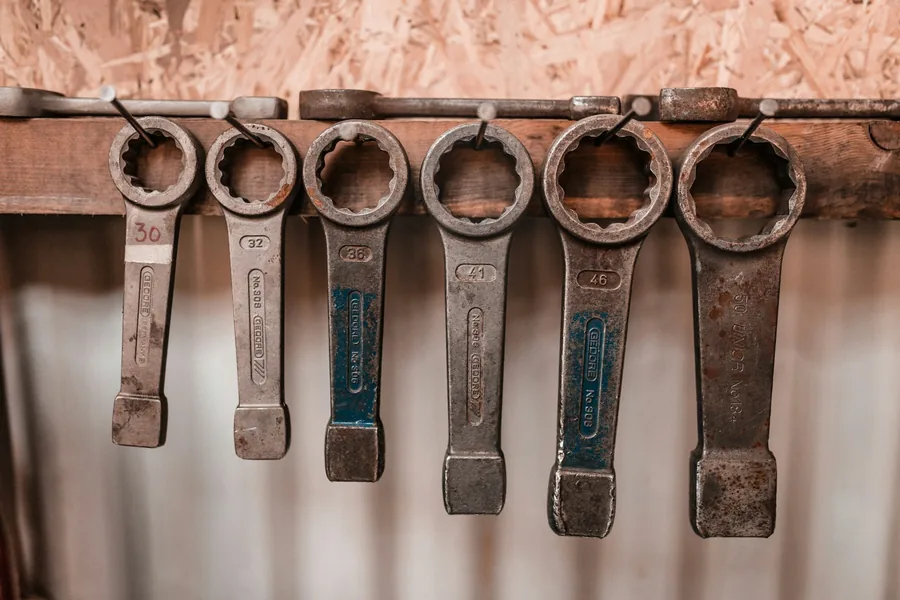
The plastic rollers builders fit have no bearings inside and usually wear out in five to seven years. Nylon rollers with sealed ball bearings are quieter, put far less drag on the track, and outlast plastic ones several times over.
Cables are replaced in pairs. Same years, same load, same wear. And the drums need equal setting or the door won't sit level in the opening.
Yes, and the damage goes well beyond the cable. The door falls on that side, binds in the track, and more often than not comes off, so what was a cable job now includes track and hinges. Broken strands on a cable are the warning; act on them.
None of that is unusual. It's what happens when a door is judged unseen. We don't guess; the visit comes first.
Cables rust at the bottom bracket first, where the floor stays damp, and they fray for weeks before they finally go. Nobody looks down there, so it seems to come from nowhere.
Both cables, always. They're the same age with the same wear, and the drums need setting evenly or the door never sits level again.
Usually one visit. A typical garage door cable and roller repair job is done in under two hours.
Yes - Dunwoody, Sandy Springs, Marietta, Kennesaw, Johns Creek, Douglasville and the wider Atlanta area are all inside our normal service radius.
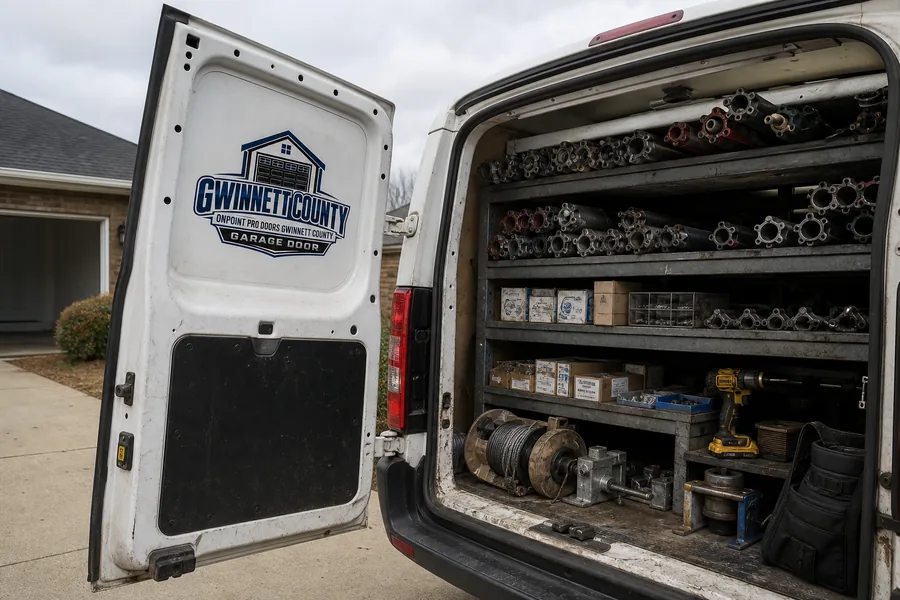
Yes. Brands differ on the sticker more than in the hardware, and springs, cables, rollers and gears are carried for all the common ones.
Yes. Nights, weekends, all of it. A 2am call reaches the same dispatch as a 2pm call, and a door that won't close gets someone out before daylight.
Tell us what the door is doing, what noise it makes, and roughly how old it is. That's normally enough to know what has failed and what the van needs to bring.
The estimate is free and you are free to say no. Atlanta, Dunwoody, Sandy Springs, Marietta, Kennesaw, Johns Creek, Douglasville and the rest of Atlanta.
A photo of the door from inside the garage, with the door closed, tells us most of what we need. Send it after the call if that's easier than describing it. It lets the tech load the right parts before leaving.
Tell us what the door is doing and you'll get a real arrival window. The visit and the estimate is free, wherever you are.
Rather say it out loud? Call (770) 629-9647.
Tell us what the door is doing. The estimate is free and it comes first; nothing starts until you've seen it.